From Action Man and Sindy to Spirograph and Scalextric, Britain’s favourite childhood toys can play a role in supporting memory, wellbeing and social interaction.
When Toys Were Simple and Imaginations Ran Wild
Remember the excitement of waking up on Christmas morning to discover an Action Man, a new Sindy doll or a Scalextric racing set beneath the tree? For generations of British children growing up during the 1950s, 1960s, 1970s and 1980s, toys were an essential part of childhood.
Long before smartphones and tablets, children relied on imagination and traditional play. Today, many of those familiar toys can also support cognitive stimulation, emotional wellbeing, physical coordination and social engagement in care settings.
Britain’s Most Memorable Retro Toys
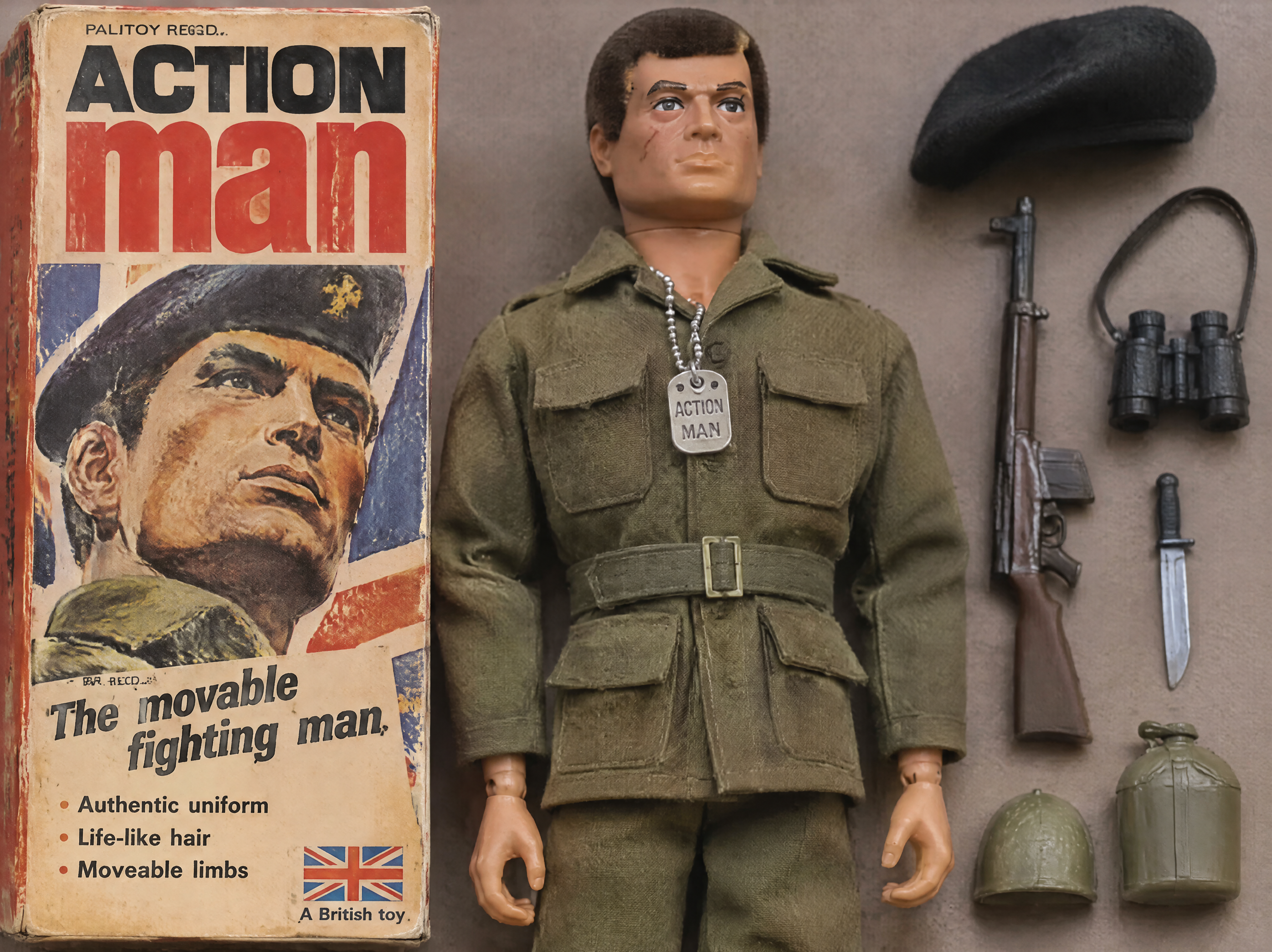
Action Man
– Introduced to Britain in 1966, this adventure figure encouraged imaginative storytelling. Familiar figures can prompt conversations about childhood and family life.
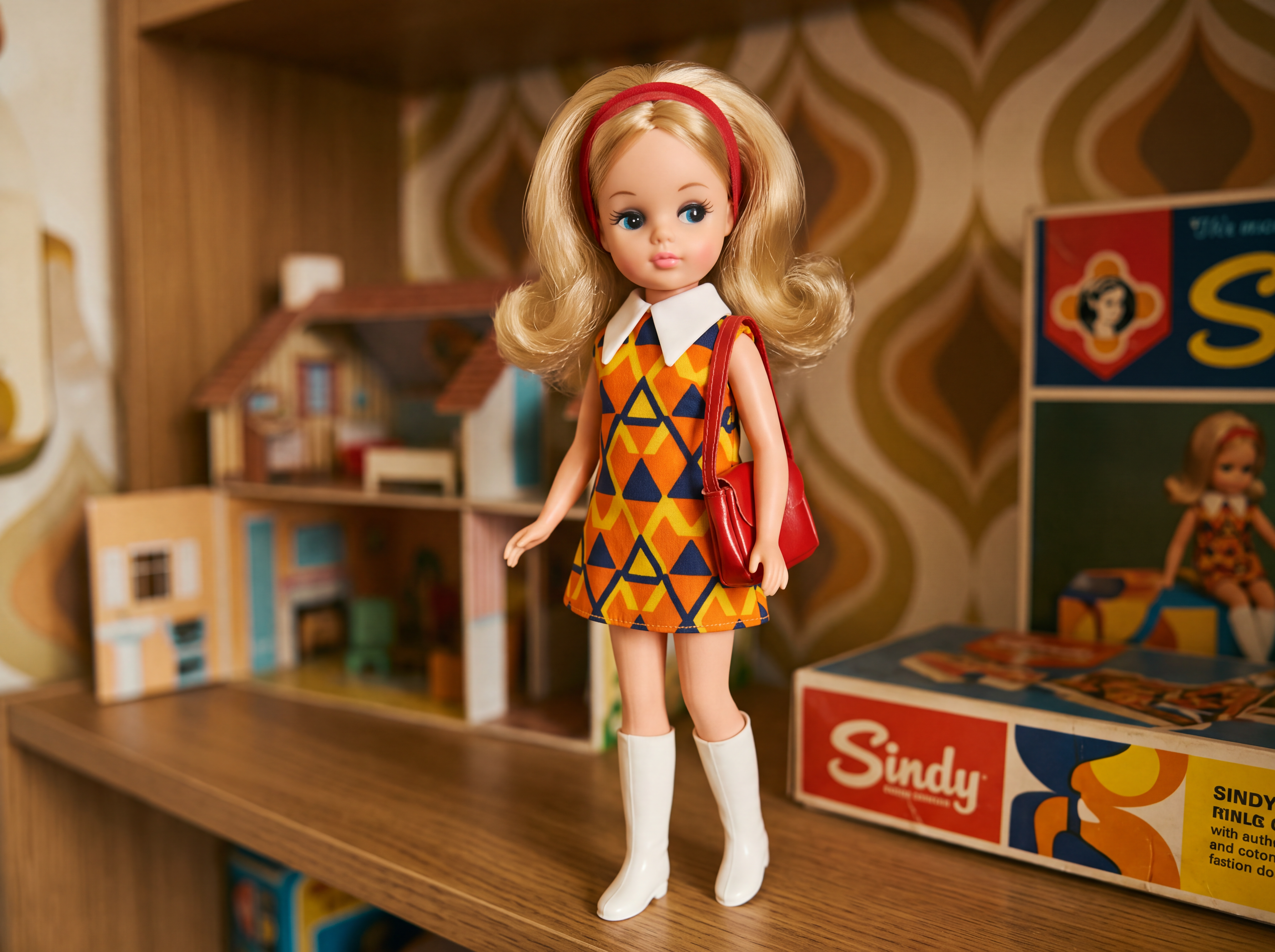
Sindy
– Launched in 1963, Sindy became a British fashion icon. Her outfits and accessories may spark memories of shopping trips, celebrations and friendships.
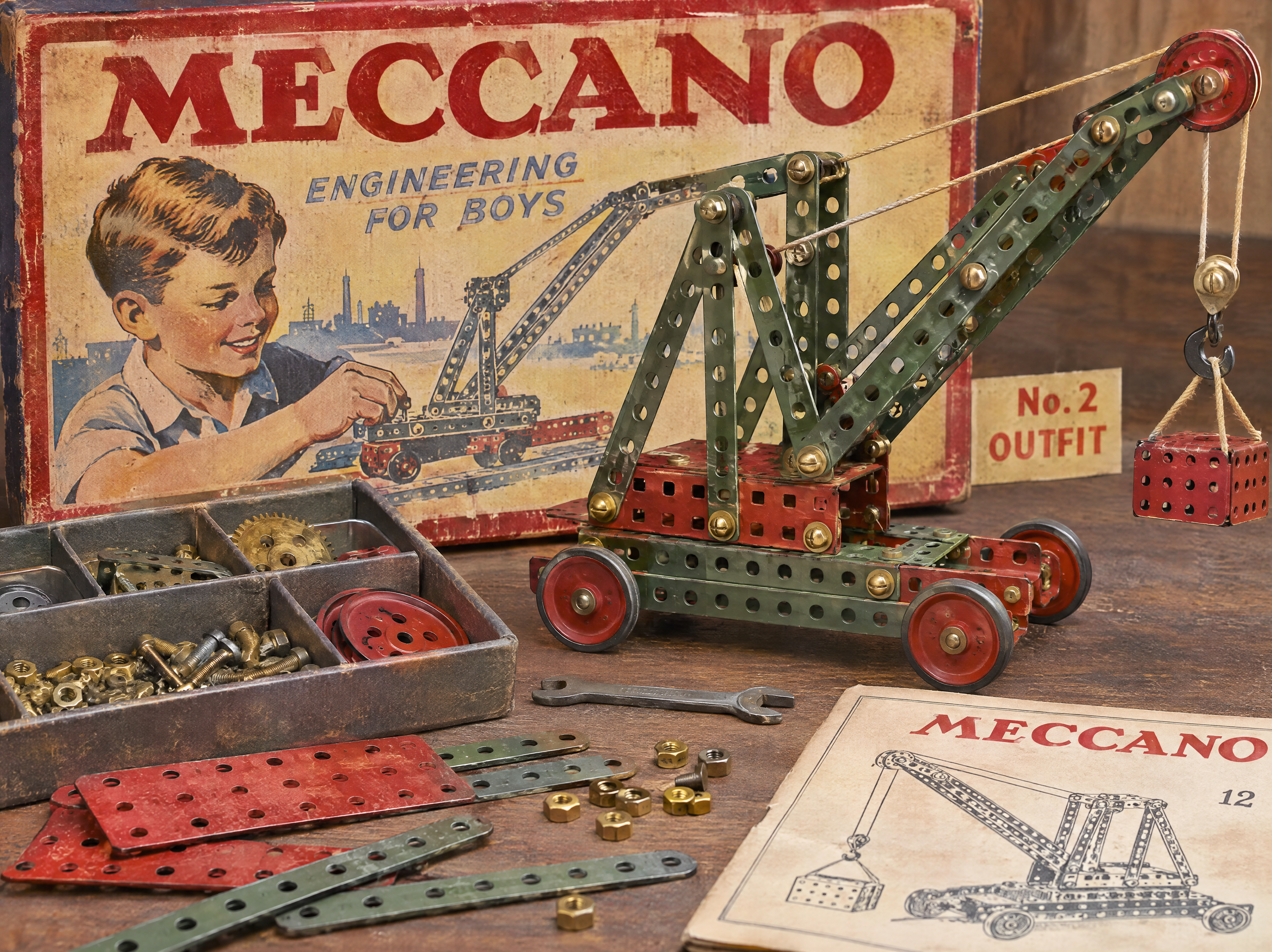
Meccano
– First marketed in 1901, Meccano developed practical construction and problem-solving skills. Suitable building activities can encourage concentration and coordination.
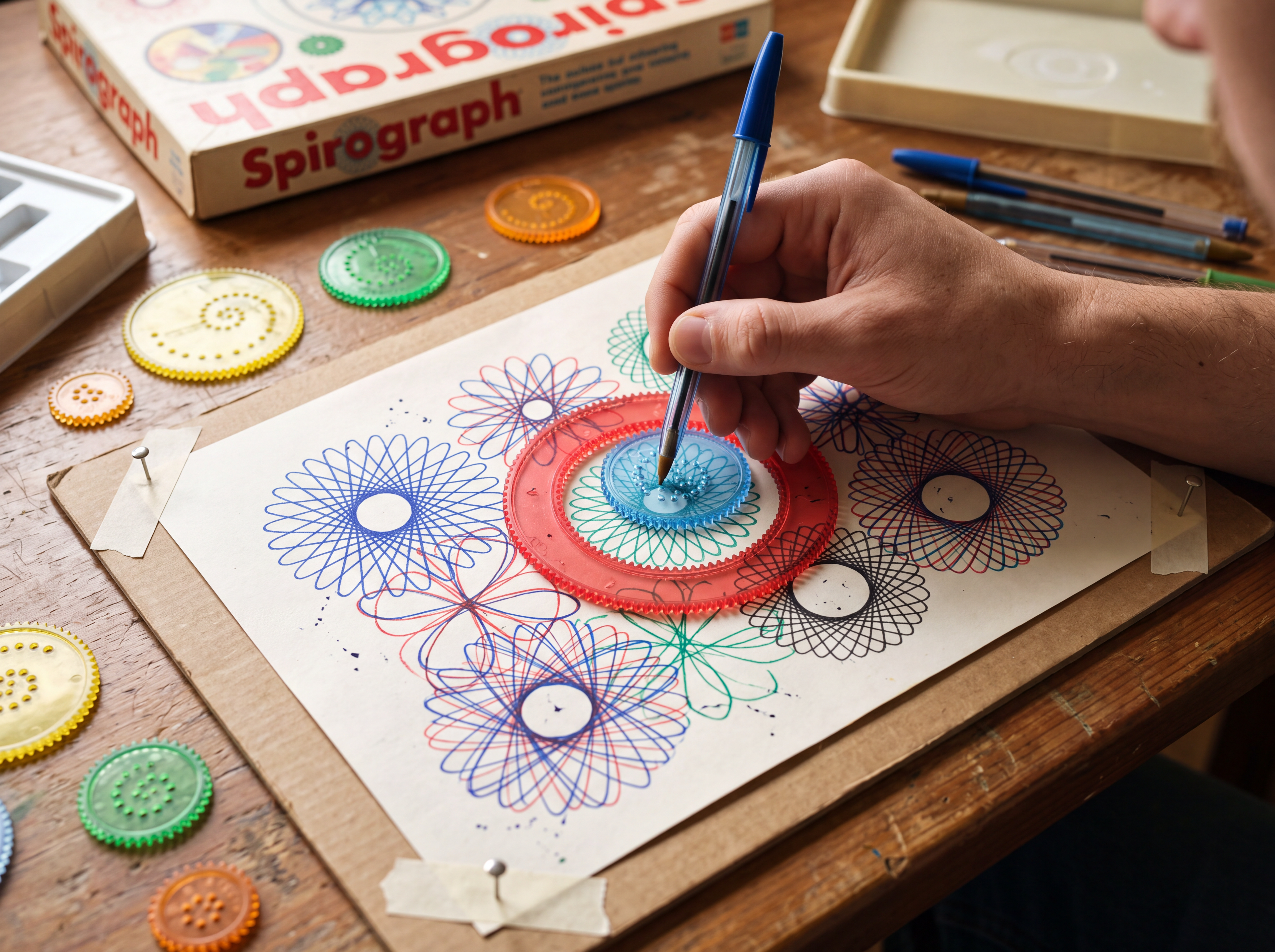
Spirograph
– Popular in the 1960s and 1970s, Spirograph offered creative geometric drawing and can encourage self-expression and fine-motor practice.
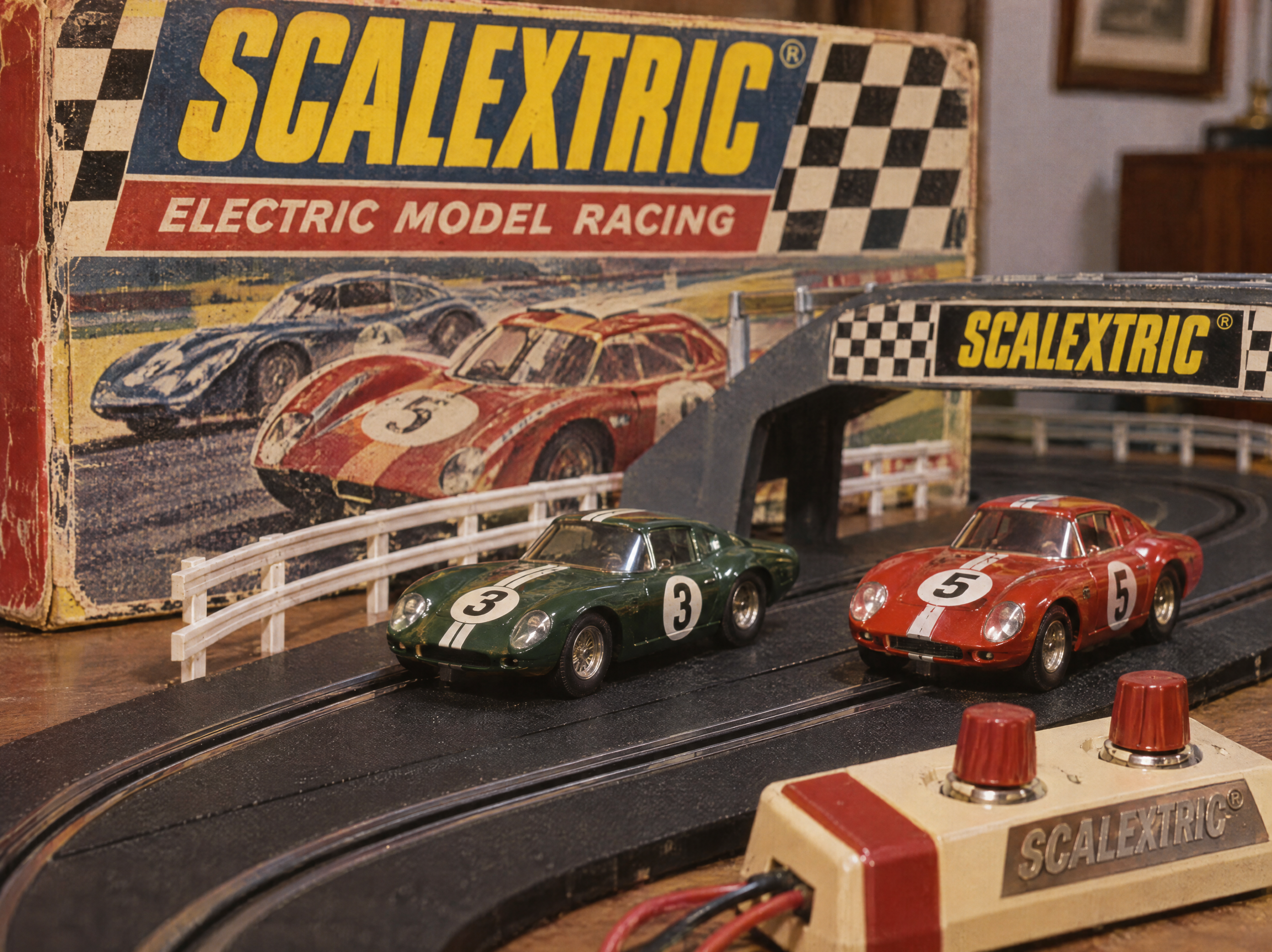
Scalextric
– Introduced in 1957, this miniature racing game brought families together and can still inspire friendly competition and reminiscence.
Magic Robot
– This classic British question-and-answer game, popular in the mid-20th century, used a magnetic robot to point towards answers on a circular board. Its distinctive design can spark conversations about childhood games, schooldays and family entertainment. In care settings, a replica or carefully supervised original can make a memorable reminiscence activity.
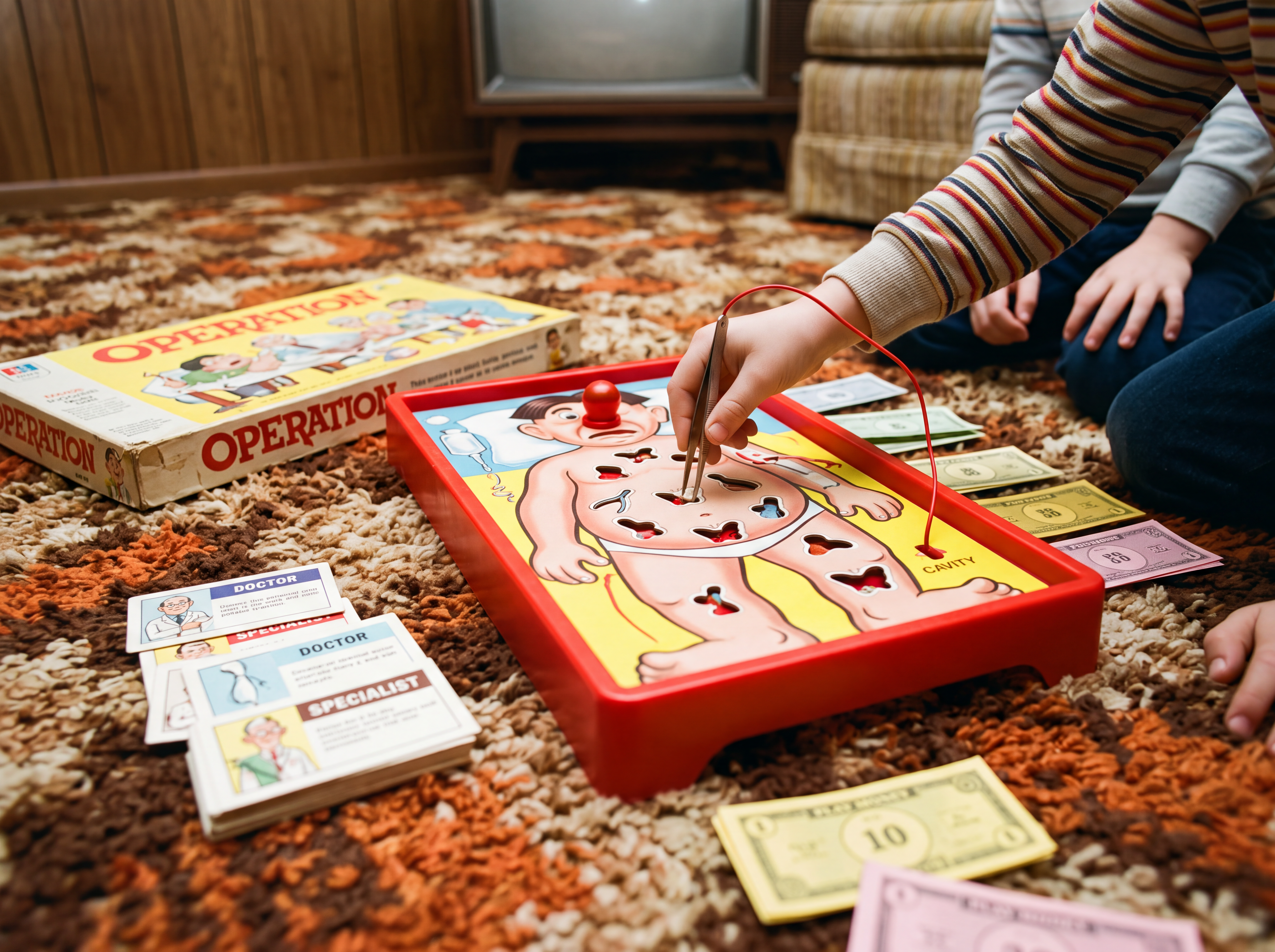
Operation
– First released in the 1960s, Operation challenged players to remove plastic ailments without touching the sides and setting off the buzzer. Its humorous medical theme makes it especially fitting for a healthcare-themed nostalgia session. With adaptations where needed, the game can offer light-hearted opportunities to practise concentration and hand-eye coordination.
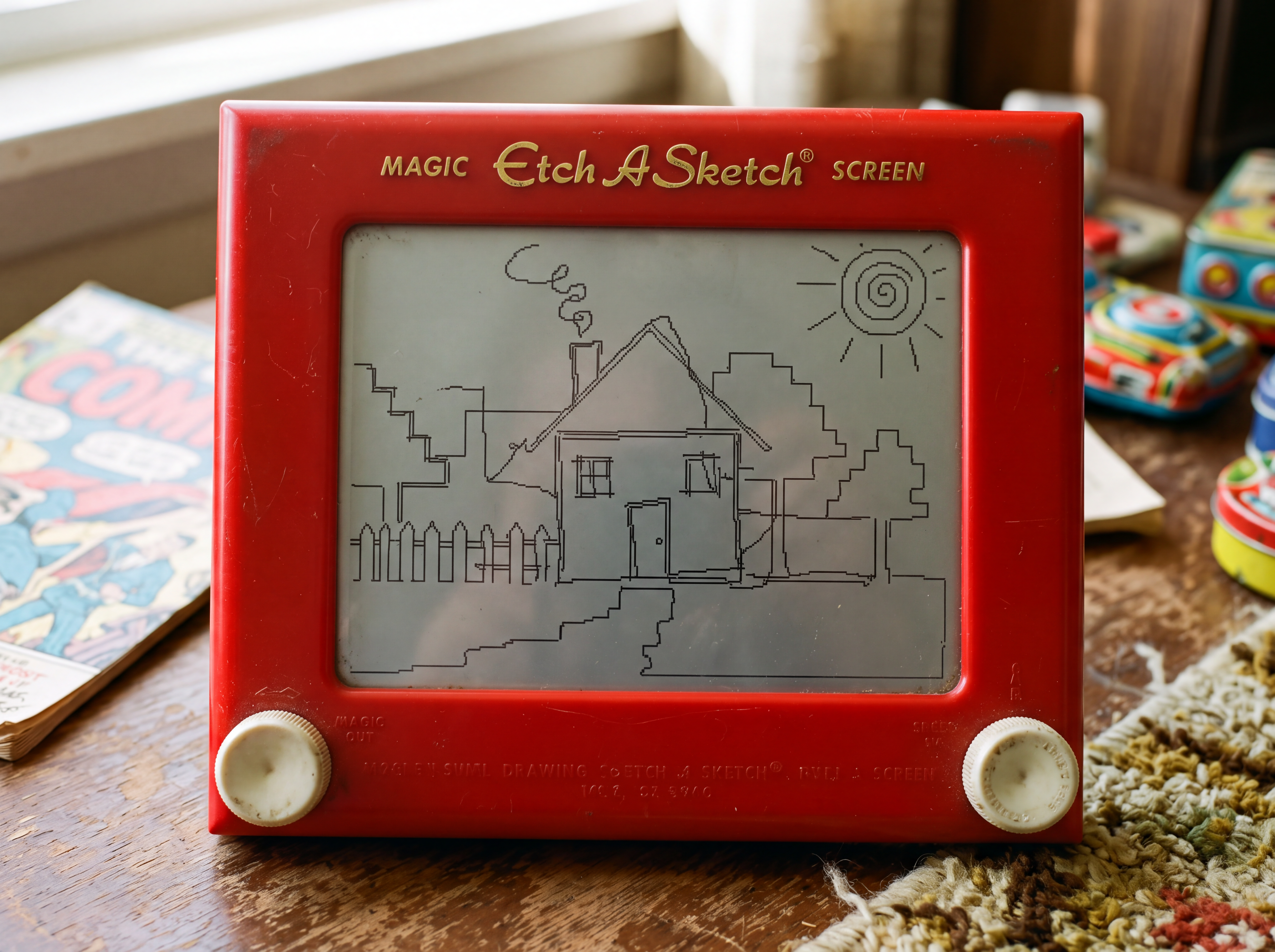
Etch A Sketch
– With its distinctive red frame and two white knobs, Etch A Sketch let children create drawings by guiding a line across the screen. It can evoke memories of creative play and encourage discussion about favourite childhood pastimes. For care activities, accessible drawing boards or paper-and-pencil alternatives may be more suitable for residents with limited hand movement.
The Connection Between Retro Toys and Healthcare
Reminiscence and dementia care. Familiar objects may stimulate memories and conversation. A vintage teddy bear or board game can encourage connection without placing pressure on someone to remember specific details.
Mental wellbeing and social inclusion. Dominoes, draughts, Ludo and other traditional games provide opportunities for companionship, laughter and participation.
Dexterity and coordination. Building, drawing and handling game pieces involve hand-eye coordination and fine-motor skills. Activities should be adapted to each person’s abilities and clinical needs.
Creativity and cognitive engagement. Jigsaws, construction sets and board games offer planning, recognition and problem-solving opportunities. They are enjoyable activities, not proven treatments or guarantees against cognitive decline.
Bringing Retro Toys into Modern British Care Homes
Imagine a care home activity room with a Scalextric set ready for a race, vintage dolls on display and residents playing dominoes while recalling games from their childhood.
Themed sessions could include 1950s childhood memories with teddy bears and wooden toys; a swinging sixties afternoon featuring Sindy and Meccano; 1970s games with Spirograph and Mastermind; or an 1980s puzzle challenge with Rubik’s Cubes.
Choose activities around individual preferences and assess accessibility, choking hazards, electrical safety and infection prevention.
Don’t Forget Hygiene: Keeping Shared Toys and Games Safe
Shared toys and games are handled by many people. Appropriate cleaning and infection prevention procedures are especially important where residents may be vulnerable to infection.
Clean toys and communal surfaces regularly according to local procedures. Use suitable disinfectants when indicated, following product instructions. Encourage appropriate hand hygiene before and after activities. Wear disposable gloves when required by risk assessment, such as for certain cleaning tasks; gloves never replace hand hygiene.
Original vintage toys may be fragile, porous or difficult to disinfect. Display-only reminiscence items may be more appropriate than shared handling in some circumstances.
Supporting Healthcare and Care Home Hygiene with Gloveman
Creating enjoyable activities goes hand in hand with maintaining high standards of hygiene. Established in 2003, Gloveman Supplies Ltd supplies disposable gloves, PPE, cleaning products, hygiene supplies and janitorial essentials to businesses across the UK.
Explore care home supplies
Browse infection control products
A Little Nostalgia Can Go a Long Way
From Scalextric racing to Meccano construction, retro British toys have created countless happy memories. Today they can help create moments of enjoyment, companionship and meaningful engagement for people receiving care.
Sometimes, the simplest way to brighten someone’s day is to remind them of the things that made them smile as a child.
© Magnific.com
More from Gloveman Supplies